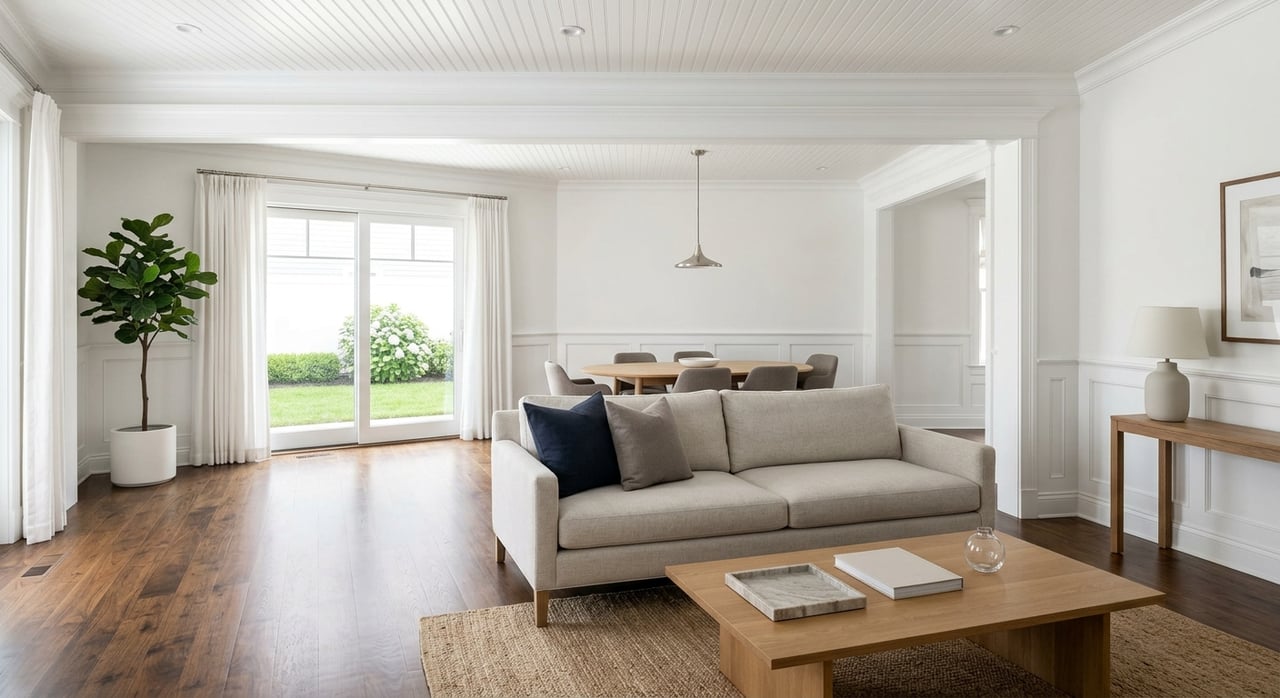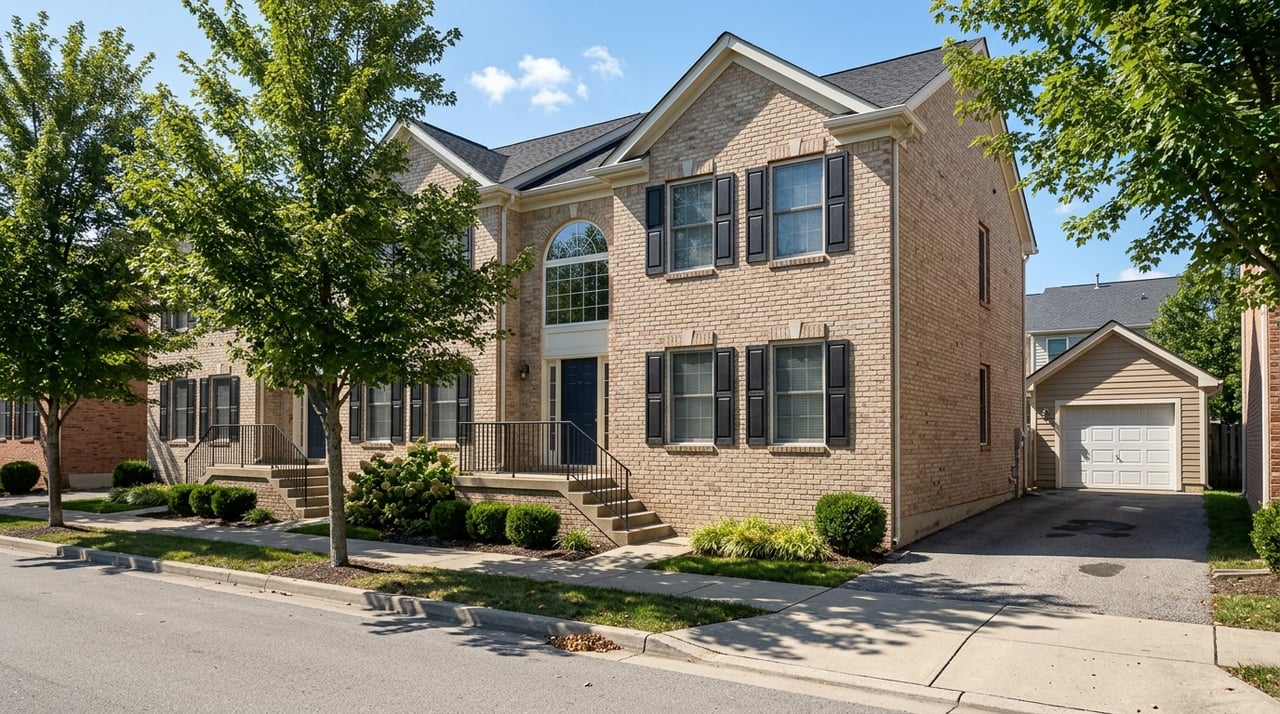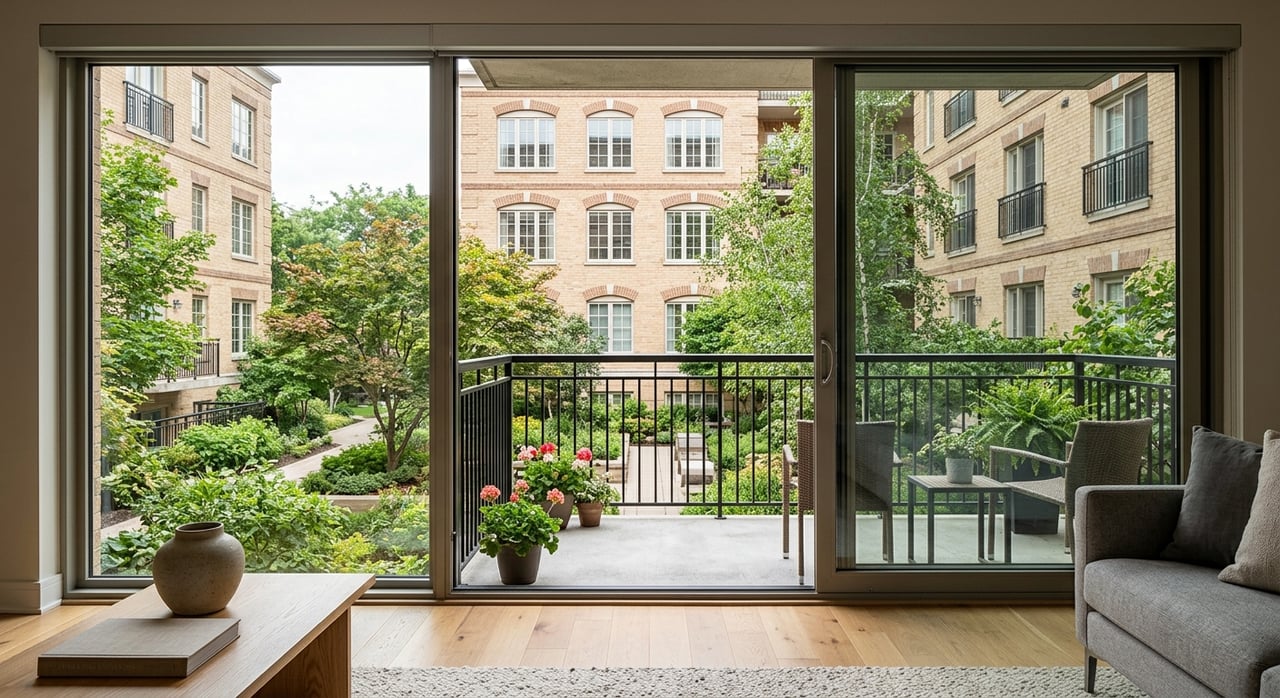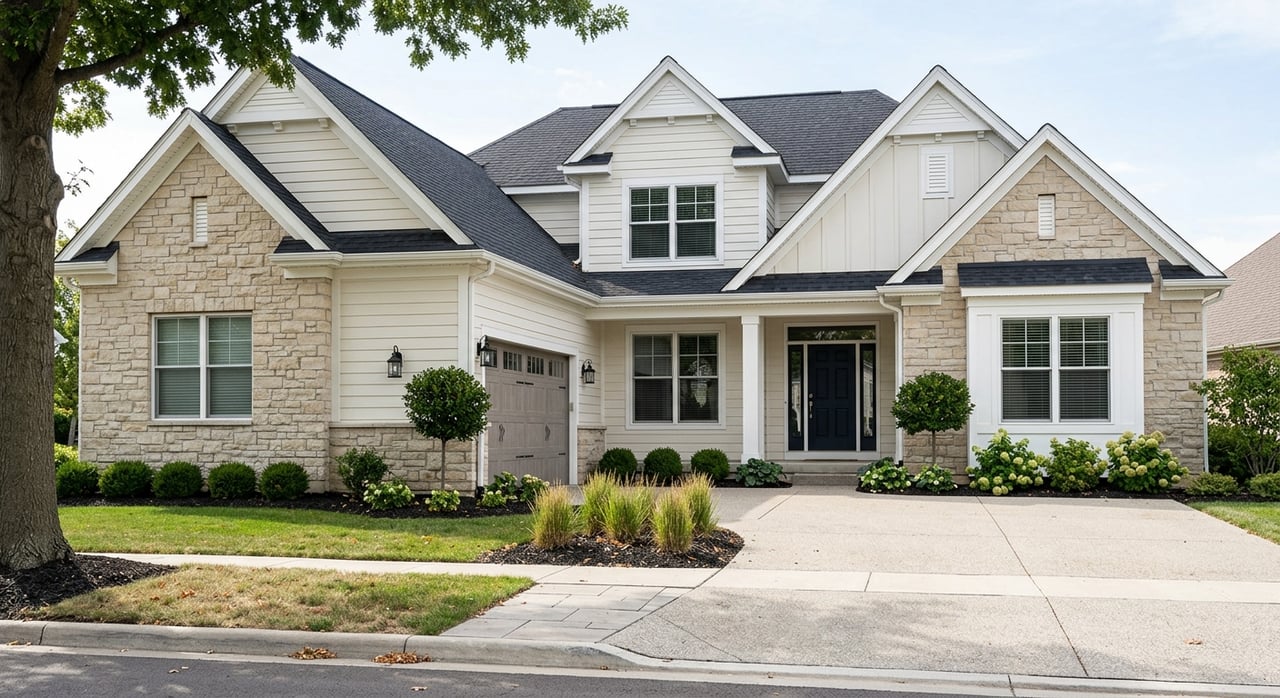
If you are torn between a storybook older home and a polished new build in Falls Church, you are not alone. In a small city with a high median home value and a mix of long-established neighborhoods and newer redevelopment, this choice can shape your budget, lifestyle, and to-do list for years. The good news is that each path can be a smart one when it matches how you want to live, what you want to spend, and how much uncertainty you can handle. Let’s dive in.
Falls Church Offers Both
Falls Church is a small independent city of about 2.0 square miles, but it packs in a wide range of housing choices. Recent Census data show 6,585 housing units, a 52.5% owner-occupied rate, and a median owner-occupied value of $1,055,600.
That price point matters. In Falls Church, the decision between older charm and new construction is not just about style. It is also about monthly carrying costs, maintenance, and whether you want a home that may need updates or one that feels more move-in ready.
The city has also seen a wave of redevelopment tied to six small-area plans. That helps explain why you can find established detached homes and newer mixed-use housing options in such a compact market.
What Older Charm Means Here
Older homes are a big part of Falls Church’s identity. City planning materials note that the housing stock is older than much of the surrounding region, with only 29.1% built since 1980.
Much of the city’s residential growth happened from 1948 to 1965. Established subdivisions named in city planning materials include Broadmont, Falls Park, Village Ridge Hills, and Virginia Forest, while East Broad Street between Roosevelt and Washington is noted for its historic integrity.
For you as a buyer, older charm often means detached or semi-detached homes, mature trees, and classic streetscapes. It can also mean a home with more personality and more room to customize over time.
Why Buyers Love Older Homes
Many buyers are drawn to older homes because they feel rooted and distinct. You may appreciate original details, established lots, and a neighborhood setting that has evolved over decades rather than being built all at once.
Older homes can also create opportunities. If you are comfortable making updates, you may be able to tailor the space to your needs instead of paying upfront for someone else’s design choices.
What to Watch With Older Homes
Character often comes with more homework. Virginia’s residential disclosure law makes clear that sellers make no representations about condition or lot lines, so buyers are expected to do their own due diligence.
That means inspections matter. Depending on the property, buyers may want to consider a home inspection, survey, mold assessment, and residential building energy analysis as part of their review process.
Local rules matter too. Falls Church zoning guidance notes that things like sheds, fences, additions, setbacks, lot coverage, and building height can require city review.
If you are thinking ahead to a renovation or expansion, it helps to understand those limits before you buy. A home that looks full of potential on day one may come with a longer path to approvals than you expected.
Historic Review Can Affect Plans
Some older homes may come with added review. The city’s historic-review board states that protected structures built as residences in or before 1910 may not be razed or moved without HARB approval.
That does not make these homes a bad choice. It simply means your long-term plans should match the property’s rules and the city’s process.
ADU Flexibility Is Limited But Worth Knowing
Falls Church allows certain accessory dwelling units in existing single-family homes through a special-use process. Detached ADUs are not currently permitted.
For some buyers, that creates flexibility for multigenerational living or other future uses within an existing home. Still, it is not automatic, so you would want to factor in the approval process before counting on that option.
What New Construction Looks Like
New construction in Falls Church is different from what you may see in larger suburban areas. Rather than large new detached-home neighborhoods, newer housing here is mostly tied to mixed-use redevelopment and infill.
That means your choices may lean more toward condo-style residences, apartments converted for sale if applicable in the future, or attached townhome product. City examples of recent and proposed development include Founders Row, Modera Falls Church, and Lee Park II.
In practical terms, if you want new construction in Falls Church, you are often choosing attached living or a more urban-style setup rather than a brand-new detached home on a large lot.
Why Buyers Choose New Construction
The biggest draw is usually convenience. Newer homes tend to offer more predictable systems, less immediate repair pressure, and a move-in-ready feel that can reduce stress.
That can be especially appealing if your schedule is packed, you are relocating, or you simply do not want to spend your first year managing contractors. In a high-cost market, the ability to avoid surprise repairs can feel just as valuable as upgraded finishes.
Sustainability May Be Part of the Value
Some newer projects in Falls Church also emphasize greener building standards. The West Falls project states LEED ND Gold and LEED Multifamily Mid-Rise Gold targets for residential components.
For you, that may translate into a newer home that aligns with sustainability goals and potentially more efficient building standards. Even so, it is still important to compare the full monthly cost, not just the purchase price.
The HOA And Condo Review Matters
If you are buying newer attached housing, the association review is a major part of the decision. In Falls Church, that is often just as important as the floor plan or appliance package.
Virginia’s Resale Disclosure Act requires a resale certificate for common-interest communities. That certificate includes governing documents, assessment schedules, special assessments, reserve studies, and budgets.
For condos, Virginia’s Condominium Act requires delivery of a current public offering statement before a disposition and gives buyers a five-calendar-day cancellation right. The practical lesson is simple: review dues, rules, reserves, and restrictions with real care.
Questions To Ask With Newer Attached Homes
Before moving forward, you may want to look closely at:
- Monthly association dues
- Reserve funding and overall budget health
- Current or planned special assessments
- Rules that affect pets, parking, rentals, and exterior changes
- What the association maintains versus what you maintain
A newer home can simplify maintenance, but it often shifts part of that responsibility to the association. You want to be comfortable with both the costs and the governance structure.
Commute And Convenience Can Tip The Scale
Location is a big part of this decision in Falls Church. The city is served by East Falls Church and West Falls Church Metro stations, as well as Route 7, Route 29, Route 50, I-66, the Dulles Toll Road, and the W&OD Trail.
The city also notes that neither Metro station lies within the city boundary. WMATA identifies East Falls Church as serving the Orange and Silver lines, while West Falls Church serves the Orange Line.
That can shape the tradeoff between an older home in an established residential setting and a newer property closer to redevelopment patterns or major corridors. If your weekly routine depends on driving time, transit access, or easy lock-and-leave living, convenience may matter just as much as home style.
How To Decide Which Fits You
There is no universal winner in Falls Church. The better fit depends on your budget, timeline, and appetite for projects.
Older homes often work well for buyers who value character, mature surroundings, and the chance to customize. New construction often works well for buyers who want turn-key living and more predictable systems, even if that comes with dues and community rules.
Here is a simple way to frame the choice:
| If you value... | Older charm may fit | New construction may fit |
|---|---|---|
| Style and character | Stronger fit | Possible, but often more contemporary |
| Mature lots and streetscapes | Stronger fit | Less common |
| Turn-key condition | Less likely | Stronger fit |
| Predictable maintenance | Less likely | Stronger fit |
| Renovation potential | Stronger fit | Less likely |
| Lower-rule living | More likely in some detached homes | Less likely with associations |
| Attached or mixed-use lifestyle | Less common | More common |
A Smart Falls Church Strategy
In a market where the median owner-occupied value is above $1 million and monthly owner costs with a mortgage are listed at more than $4,000, it helps to think beyond the listing photos. Your real decision is about the full cost of ownership and how you want to spend your time.
If you love the idea of an older home, build in room for inspections, city review, and future updates. If you prefer new construction, give the same level of attention to association documents, dues, and rules that you give to finishes and amenities.
The right move is the one that supports your daily life, not just your wish list. If you want help weighing older charm against new construction in Falls Church, Rachel Knapp can help you compare options clearly and move forward with confidence.
FAQs
Is Falls Church mostly older homes or new construction?
- Falls Church has an older housing stock than much of the surrounding region, but it also has a notable wave of redevelopment, so you will find both established homes and newer mixed-use or infill housing.
What types of new construction are common in Falls Church?
- New construction in Falls Church is often concentrated in mixed-use redevelopment and infill, which means attached townhomes and condo-style living are more common than large new detached-home neighborhoods.
What should buyers check before buying an older home in Falls Church?
- Buyers should plan for due diligence such as a home inspection, survey, mold assessment, and residential building energy analysis, while also reviewing city rules that may affect additions, fences, sheds, setbacks, lot coverage, and height.
Are HOA documents important for newer Falls Church homes?
- Yes. For newer attached homes and condos, buyers should closely review resale or disclosure documents covering dues, assessments, budgets, reserve studies, rules, and other community obligations.
Can you add an ADU to a Falls Church older home?
- Falls Church allows certain accessory dwelling units in existing single-family homes through a special-use process, but detached ADUs are not currently permitted.
How do commute options affect the choice in Falls Church?
- Commute and access can be a major factor because Falls Church is served by major roads, the W&OD Trail, and nearby Metro stations, so some buyers prioritize convenience and low-maintenance living over lot size or historic character.