If you want a Northern Virginia neighborhood that feels tied to the Potomac without feeling cut off from daily convenience, Fort Hunt deserves a closer look. This area offers a steady, residential rhythm with parks, trails, local errands, and easy routes toward Alexandria and Washington, D.C. Whether you are thinking about moving here or simply trying to understand how the area functions day to day, this guide will walk you through what everyday living in Fort Hunt really looks like. Let’s dive in.
Fort Hunt at a Glance
Fort Hunt is best understood as a Potomac-side residential area shaped by open space, neighborhood roads, and a largely low-density housing pattern. According to Fairfax County, the area is mostly made up of single-family homes, with some garden apartments and townhome development in select locations. The county also describes Fort Hunt as a stable residential area with neighborhood retail centers and older, more dispersed neighborhoods that retain heritage potential.
That description matters because it explains the feel of daily life here. Fort Hunt is not organized around one compact downtown. Instead, it works through a network of residential streets, small commercial nodes, and access to major roads like Fort Hunt Road, Sherwood Hall Lane, Collingwood Road, Richmond Highway, and the George Washington Memorial Parkway.
Daily Life Near the Potomac
One of Fort Hunt’s biggest lifestyle advantages is how close everyday life feels to the river corridor. The George Washington Memorial Parkway runs along the Potomac’s western shore as a scenic corridor managed to preserve natural resources and historic context. In practical terms, that means nearby open space has a lasting role in how the area looks and feels.
For many residents, that translates into regular walks, bike rides, or scenic drives becoming part of the week instead of a special outing. The area feels suburban and established, but the surrounding parkland keeps it from feeling overly built up. That balance is a big part of Fort Hunt’s identity.
Mount Vernon Trail Access
The Mount Vernon Trail is one of the area’s defining outdoor features. It follows the river and connects Washington, D.C. with Mount Vernon, and the National Park Service notes that it can be reached by car, public transportation, on foot, or by bicycle.
If you like the idea of adding movement and fresh air to your routine, this trail helps make that realistic. It is used by bicyclists, runners, walkers, and casual explorers, so it supports both recreation and, for some people, active transportation.
Parks That Shape the Neighborhood
Fort Hunt’s community life is closely tied to its parks. Rather than relying on one central main street, the area often gathers around outdoor spaces, seasonal events, and recreation.
Fort Hunt Park
Fort Hunt Park is one of the best-known public spaces in the area and sits within the Parkway system. The National Park Service describes it as a favorite spot for picnicking, and it also hosts the summer Fort Hunt Concert Series.
That gives the park a role beyond simple green space. It functions as a casual community anchor where you can spend a relaxed afternoon or attend a recurring local event.
Mount Vernon Park
Another important local amenity is Mount Vernon Park, a 13.2-acre community park in the heart of Fort Hunt. It includes pools, tennis and pickleball courts, a fishing pond, and member events.
Its Gators swim team dates back to 1956, which adds to the sense that this is a long-running local institution rather than a newer amenity. For buyers comparing lifestyle options, that kind of established recreation can be a meaningful part of day-to-day living.
Running Errands in Fort Hunt
Fort Hunt’s shopping pattern is practical and neighborhood-oriented. Fairfax County notes that retail in the sector is centered around neighborhood retail centers, which fits the area’s overall residential layout.
In other words, Fort Hunt tends to support the kinds of stops that help daily life run smoothly rather than offering a large commercial district in the middle of the neighborhood.
Belle View for Basics
One of the clearest examples is the area around Belle View. Fairfax County notes that Belle View Condominium sits adjacent to Belle View Shopping Center, the Martha Washington Library, Mount Vernon Recreation Center, and Huntington Metro Station. That grouping makes the area useful for stacking errands in one trip.
For everyday needs, Belle View Shopping Center includes tenants like the Virginia ABC store and CVS Pharmacy, which CVS describes as a neighborhood staple for prescriptions, household goods, snacks, and other essentials. For many residents, that convenience helps keep routines simple.
Nearby Destinations for a Change of Pace
Even though Fort Hunt is residential in character, it is close to places that offer a different rhythm when you want more activity.
Old Town Alexandria Outings
Nearby Old Town Alexandria’s Farmers’ Market offers one of the region’s best-known weekly traditions. The City of Alexandria says it is the oldest farmers’ market in the country held continuously at the same site and that it is open every Saturday year-round.
That gives Fort Hunt residents a nearby option for a weekend outing that feels distinct from the neighborhood’s quieter daily pace. The same area also includes the Old Town Boutique District, which features more than 30 unique shops, adding another option for browsing, dining, or meeting up with friends.
Getting Around From Fort Hunt
Commute patterns in Fort Hunt are shaped by a combination of roads, bus service, and access to Metro connections. If you are evaluating the area from a practical standpoint, this is one of the most important parts of the picture.
Main Roads and Travel Flow
Fort Hunt’s road network is centered around Fort Hunt Road, Sherwood Hall Lane, Collingwood Road, Richmond Highway, and the George Washington Memorial Parkway. Those routes help organize local movement and connect the area to Alexandria and the larger D.C. region.
For many residents, driving remains the most direct way to handle daily travel. At the same time, the layout also supports having backup options when you want to leave the car parked.
Route 101 and Metro Access
Fairfax Connector Route 101 is the core transit line for Fort Hunt. Fairfax County’s current route information places it under both Fort Hunt and Mount Vernon, and the route includes stops tied to Fort Hunt Road, Belle View, Hollin Hall, Huntington Metro Station, and Mount Vernon Estate and Gardens.
That makes bus-to-Metro a practical transit option for some trips, especially when your destination is beyond the immediate area. For others, the Mount Vernon Trail can also play a role in local mobility, particularly for biking or walking.
Housing Styles and Neighborhood Character
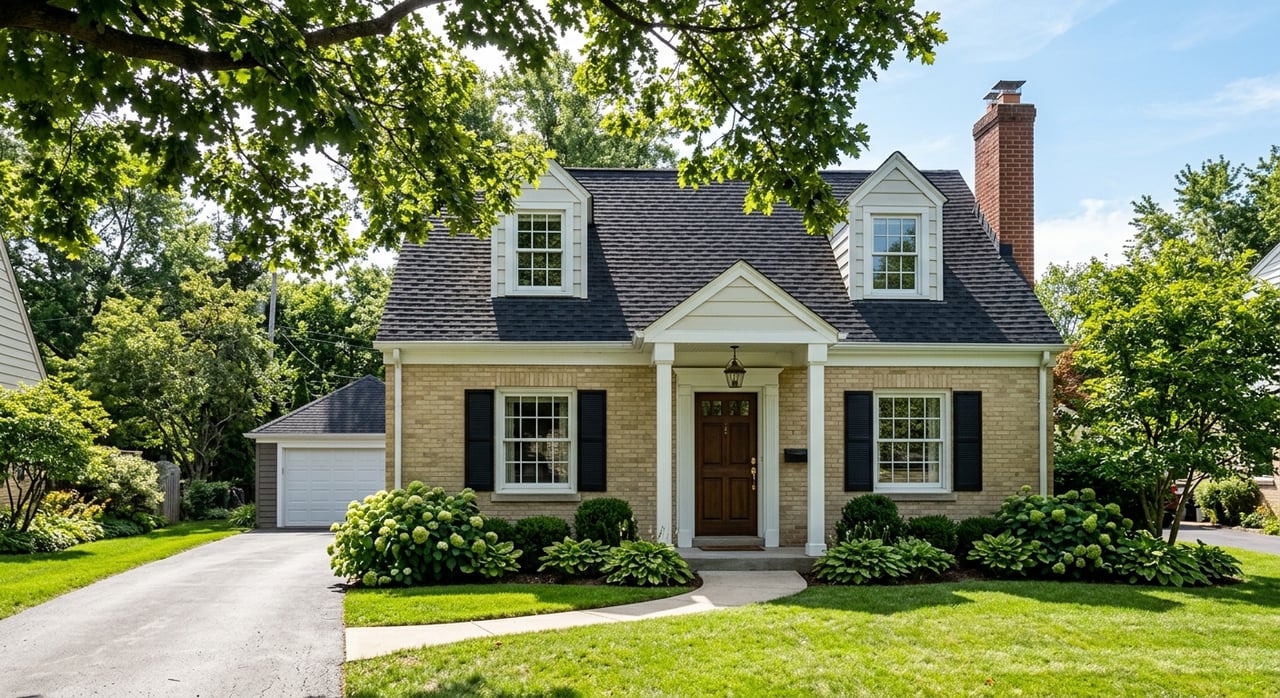
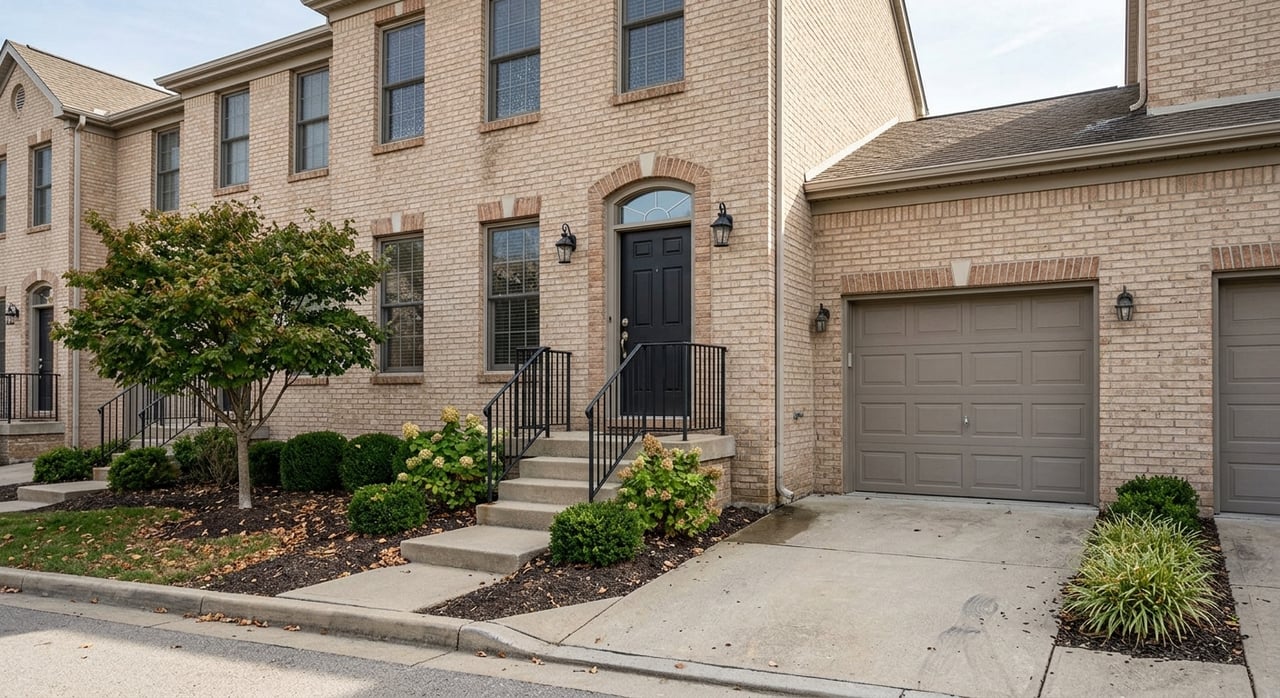
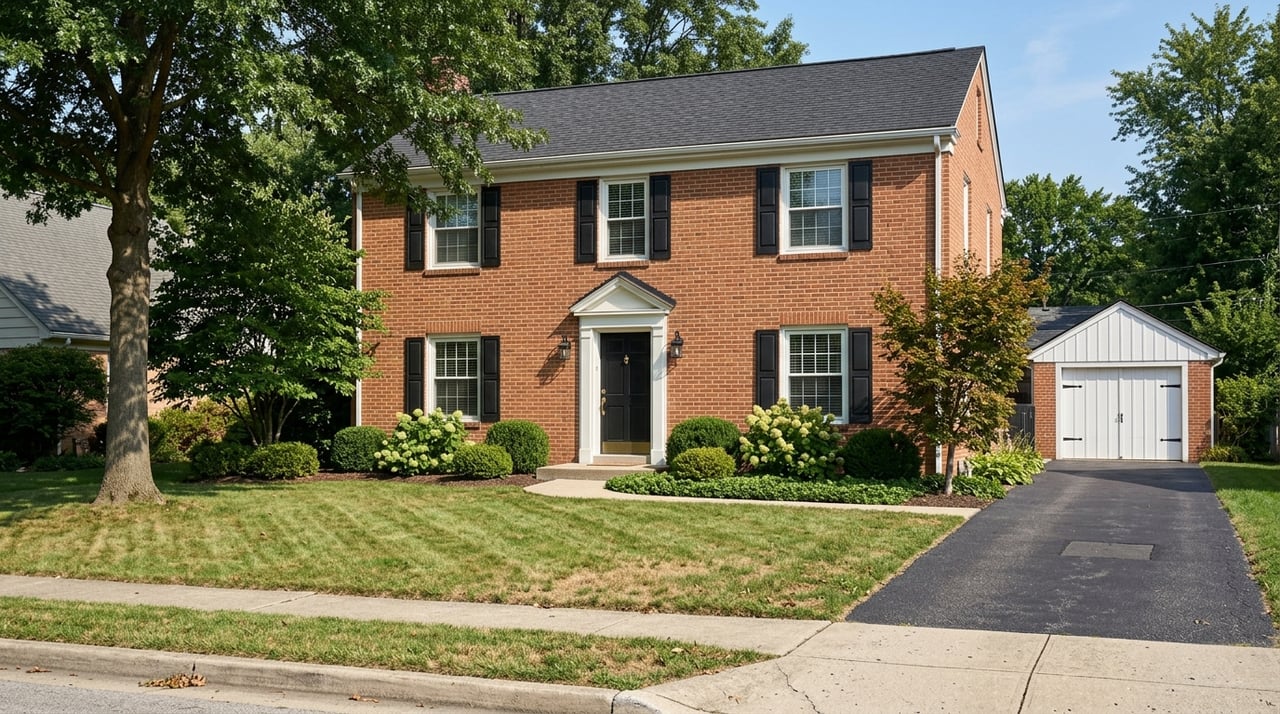
Fort Hunt’s housing stock is one reason the area appeals to a wide range of buyers. Fairfax County’s baseline description remains the most useful one: the sector is mostly low-density single-family housing, with some garden apartments and townhomes.
That creates variety without changing the area’s overall residential character. It also means your experience of Fort Hunt may depend on whether you are looking for a detached home, a condo, or something in between.
Established Homes and Distinctive Enclaves
Within the broader area, some housing pockets stand out for their design or history. Belle View Condominium includes early-1950s one- and two-bedroom apartment homes along with townhouses, reflecting one branch of the area’s mid-century housing story.
Hollin Hills offers another distinctive example. Fairfax County says it was constructed between 1946 and 1971 and features open floor plans, floor-to-ceiling windows, low-pitched or butterfly roofs, and careful preservation of the site’s topography. It is also listed on the National Register of Historic Places, the Virginia Landmarks Register, the County Inventory of Historic Sites, and as a Historic Overlay District.
Potomac Corridor Preservation
Housing character in Fort Hunt is also shaped by planning decisions connected to the Parkway. Fairfax County states that new development within a quarter-mile of the Parkway should remain low-density and detached in order to protect the scenic character of the corridor.
For buyers and sellers alike, that helps explain why parts of the area maintain a more open, established feel. It is one of the reasons Fort Hunt continues to stand apart from more heavily built-up pockets closer to major commercial corridors.
Community Traditions and Seasonal Rhythm
Fort Hunt’s sense of community often shows up through recurring events rather than one central gathering place. That pattern fits the neighborhood itself, which is residential, spread out, and closely tied to parks and local institutions.
Fairfax County’s Mount Vernon District newsletter highlights events like the annual Environment Expo at Fort Hunt Park and the spring return of county farmers markets. Belle View Condominium also lists recurring events such as a spring yard sale, annual tree lighting, family pool party, and National Night Out.
For someone moving into the area, these traditions can help make a neighborhood feel more connected over time. They create familiar points on the calendar and give Fort Hunt a lived-in, year-round rhythm.
Why Fort Hunt Appeals to Buyers
Fort Hunt tends to appeal to buyers who want a residential setting with outdoor access, practical errands nearby, and a location that still connects well to Alexandria and D.C. It offers a quieter daily pace than some busier parts of the region, but it does not feel isolated.
The area can also suit buyers who value established housing, mature neighborhood patterns, and a setting shaped by the Potomac corridor. If you are weighing lifestyle as much as square footage, Fort Hunt offers a strong case.
Thinking About a Move to Fort Hunt?
If you are considering Fort Hunt, it helps to evaluate more than just home styles and price points. You will also want to think about your daily routes, your preferred housing type, how often you use parks or trails, and whether you want a neighborhood centered on quiet residential living rather than a dense commercial core.
If you want help understanding how Fort Hunt compares with nearby Alexandria-area neighborhoods, Rachel Knapp offers clear, tailored guidance to help you explore your options with confidence.
FAQs
What is everyday life like in Fort Hunt?
- Fort Hunt feels primarily residential and suburban, with daily life shaped by parks, neighborhood retail centers, major local roads, and close access to the Potomac corridor.
What parks are available in Fort Hunt?
- Fort Hunt includes Fort Hunt Park and Mount Vernon Park, offering spaces for picnics, concerts, pools, tennis, pickleball, and other recreation.
How do Fort Hunt residents commute to Alexandria or D.C.?
- Many residents rely on local roads such as Fort Hunt Road and the George Washington Memorial Parkway, while Fairfax Connector Route 101 provides a bus link to places including Huntington Metro Station.
What kinds of homes are found in Fort Hunt?
- Fairfax County describes Fort Hunt as mostly low-density single-family housing, with some garden apartments and townhomes, plus notable housing areas like Belle View and Hollin Hills.
Are there places for errands near Fort Hunt?
- Yes. Fort Hunt has convenience-oriented retail, and the Belle View area offers access to services such as CVS Pharmacy, the Virginia ABC store, the library, recreation facilities, and Huntington Metro.
What makes Fort Hunt different from other nearby areas?
- Fort Hunt stands out for its Potomac-side setting, park access, established residential feel, varied housing stock, and community traditions built around concerts, markets, and seasonal neighborhood events.