If you want a Northern Virginia lifestyle that blends scenic drives, everyday outdoor access, and a strong sense of place, the George Washington Memorial Parkway corridor deserves a close look. Mount Vernon Alexandria offers a mix of riverfront views, established neighborhoods, and practical access to Alexandria and the wider Fairfax County area. If you are trying to figure out whether this stretch fits your routine, budget, and priorities, this guide will help you understand what daily life really looks like. Let’s dive in.
What Mount Vernon Alexandria Means
Mount Vernon Alexandria is not just one small neighborhood. In practical terms, it refers to the southeastern Fairfax County side of the broader Mount Vernon District, an area bounded by the Capital Beltway and the City of Alexandria to the north, the Potomac River to the east, the Occoquan River to the south, and Huntley Meadows Park to the west.
That larger district includes places like Belle Haven, New Alexandria, Huntington, Groveton, Hybla Valley, Fort Hunt, Mount Vernon, Fort Belvoir, Mason Neck, Lorton, and Newington. Because of that, the area can feel historic, suburban, and river-oriented all at once.
It is also an established housing market rather than a newly built one. Fairfax County estimates 128,742 residents in 2024, with a housing mix that includes detached homes, townhouses, low-rise multifamily, and high-rise multifamily properties, which gives you more variety than you might expect along one corridor.
Why The GW Parkway Stands Out
The George Washington Memorial Parkway is the feature that gives this area its identity. According to the National Park Service, the parkway stretches about 25 miles and links I-495 with Potomac River crossings, Arlington National Cemetery, and George Washington’s home at Mount Vernon.
What makes it different is that it is not just a road. It is also a scenic and conservation corridor designed to protect shoreline and historic views, which means living nearby often feels more connected to landscape than in a typical suburban setting.
For many buyers, that setting becomes part of daily life. Your routine may include a scenic drive, quick access to riverfront parks, or an easy stop at one of the corridor’s historic destinations on a weekend afternoon.
Outdoor Life Along The River
One of the biggest draws here is how easy it is to spend time outside. The Mount Vernon Trail is the backbone of that lifestyle, offering an 18-mile paved multi-use route from Mount Vernon to Theodore Roosevelt Island.
The trail connects Fairfax County, the City of Alexandria, Arlington County, and major Potomac bridge crossings into D.C. It is open year-round from 6 a.m. to 10 p.m., and the National Park Service says it serves more than one million pedestrians and bicyclists annually.
That popularity tells you two things. First, this is a real lifestyle amenity, not just a pretty feature on a map. Second, it can get busy during peak periods, so if trail access is high on your wish list, it helps to think about how and when you would use it.
Parks And Historic Places Nearby
The parkway corridor is packed with destinations that add depth to everyday living. Dyke Marsh Wildlife Preserve covers about 485 acres of tidal marsh, floodplain, and swamp forest, and it is one of the largest remaining freshwater tidal wetlands in the Washington metro area.
Fort Hunt Park adds another well-known green space along the parkway between Alexandria and Mount Vernon. Closer to Old Town, Jones Point Park offers a lighthouse, interpretive trail, fishing piers, playgrounds, and a canoe and kayak launch.
Historic sites are part of the local rhythm too. George Washington’s Mount Vernon is the area’s best-known landmark, and nearby Woodlawn and Pope-Leighey House add another layer of architectural and historical interest.
Daily Life Beyond The Scenery
A beautiful setting matters, but so does routine convenience. Mount Vernon Alexandria has civic and practical anchors that make it feel like a lived-in area, not just a scenic one.
Fairfax County lists the Mount Vernon Rec Center on Belle View Boulevard, Martha Washington Library on Fort Hunt Road, and the McCutcheon/Mount Vernon Farmers Market on Sherwood Hall Lane, which operates seasonally on Wednesday mornings. These are the kinds of places that support regular weekly routines.
For dining and shopping, Old Town Alexandria often becomes the nearby go-to district. Visit Alexandria notes that Old Town has more than 200 independently owned restaurants and boutiques, giving you access to a broader dining scene while still living in a quieter residential setting.
What Commuting Feels Like
Commuting in this area is best understood as a road-and-bus setup, with bike commuting as a meaningful extra option for some residents. Fairfax County identifies I-95, I-495, I-395, and Richmond Highway as major roadways serving the district.
Transit is available, but it is not the whole story. The county says the district is served by two Metrorail stations, one VRE station, and multiple bus lines including Fairfax Connector and REX, with the Richmond Highway BRT project expected by late 2031.
Local bus routes also support the area, including Fairfax Connector Route 101 serving Fort Hunt and Mount Vernon, plus routes 151 and 152. Even with those options, many buyers find that the area functions more like a car-first suburban market than rail-centered parts of Alexandria.
One Important Tradeoff To Know
The same riverfront setting that makes this corridor appealing also creates a practical issue you should not ignore. Fairfax County says Belle View, New Alexandria, and River Towers have a history of significant structural flooding.
The county also reports that Hurricane Isabel in 2003 flooded 160 homes and 60 condominiums in the area. It notes that low-elevation communities may also face coastal flooding on sunny days due to tides, storm surge, and wind-driven water.
If you are considering a home near the river, flood risk should be part of your due diligence from the start. A beautiful location can still be the right fit, but it is worth understanding exposure carefully before you move forward.
Crossing And Traffic Considerations
There is another practical point buyers should understand. The Southern George Washington Memorial Parkway Safety Study looked at nine key intersections along 6.3 miles between Alexandria and Mount Vernon and found that traffic can create challenges for park users and pedestrians crossing the parkway.
That matters if you plan to walk to trail access points, bus stops, or nearby recreation areas. The parkway is a major asset, but it is also an active transportation corridor, so convenience can vary depending on exactly where you live.
Housing Options Vary By Pocket
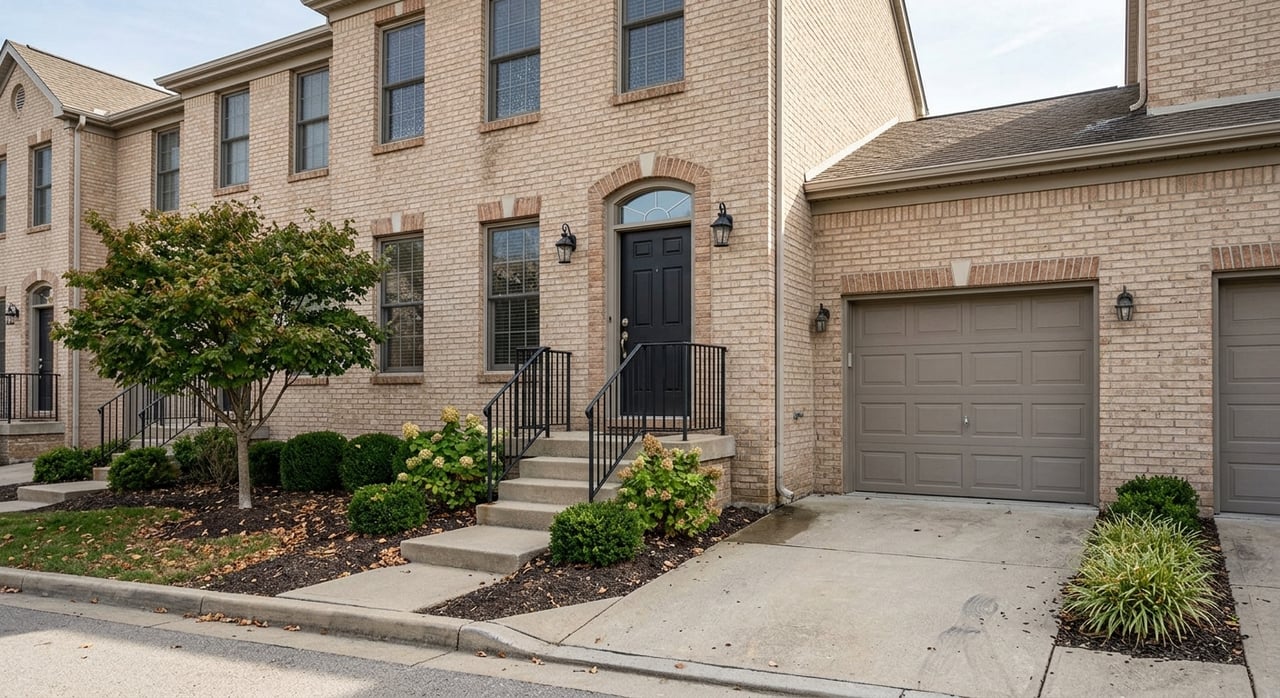
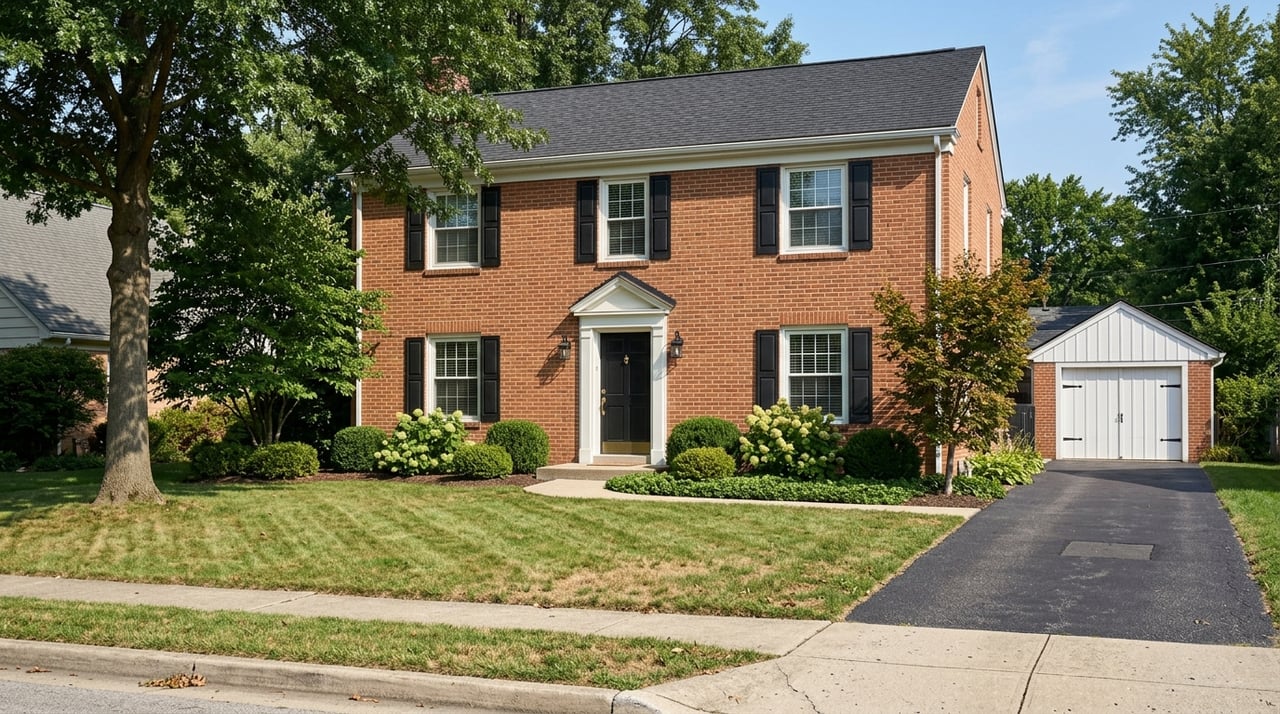
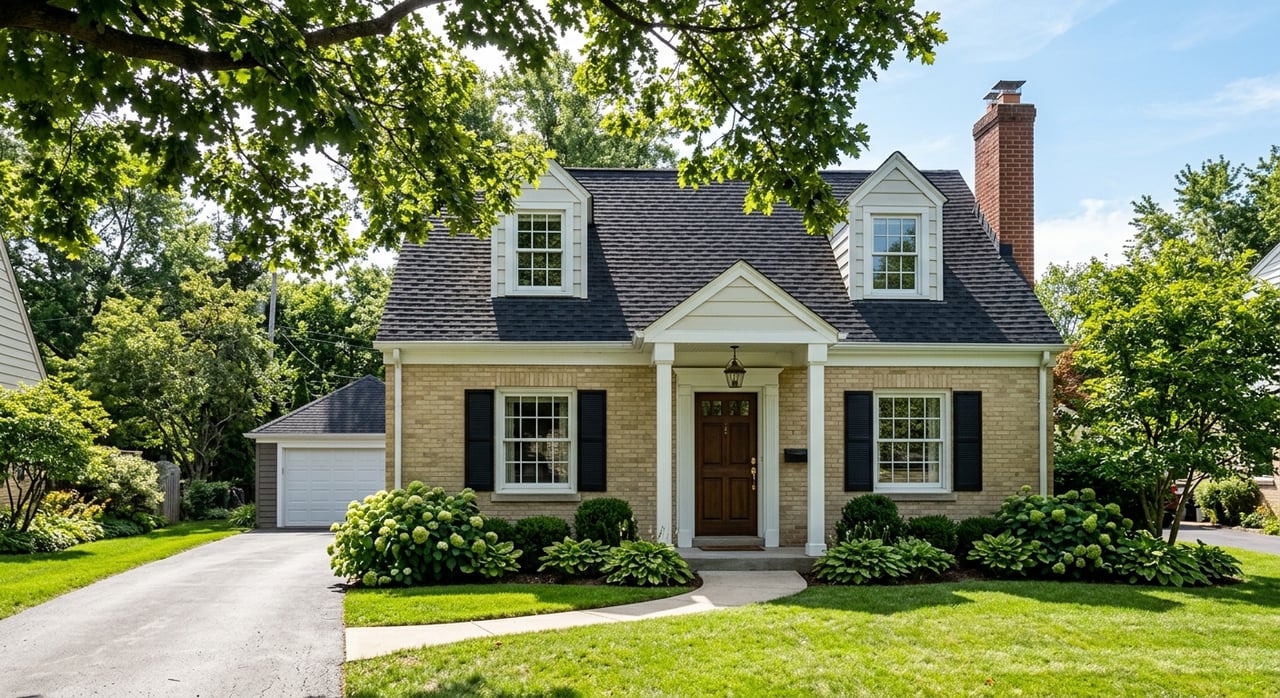
One of the strengths of the Mount Vernon corridor is that it does not offer just one housing type. Fairfax County data show a mix of detached homes, townhouses, low-rise multifamily, and high-rise multifamily housing.
That gives buyers a wider set of choices than they might expect. Depending on the pocket, you may find detached homes on more traditional suburban streets, townhome communities with easier maintenance, or condos closer to the river and trail-oriented areas.
This can be especially helpful if you want to stay in the area but need a different type of home at a different stage of life. It is a corridor where lifestyle and housing type can often be matched more closely than in a single-format neighborhood.
A Few Notable Pockets
River-adjacent communities like Belle View, New Alexandria, and River Towers offer some of the strongest waterfront and trail-connected living in the area. They are often the first places buyers think about when they picture life near the Potomac.
At the same time, those are also the places Fairfax County identifies as more flood-prone. If you love the riverfront feel, it is wise to balance lifestyle appeal with careful property-specific review.
Hollin Hills stands apart as an architectural outlier. Fairfax County says the neighborhood was built between 1946 and 1971 and includes modernist homes with open floor plans, floor-to-ceiling windows, low-pitched or butterfly roofs, and a site plan that followed the land’s natural topography.
Who This Area Tends To Fit Best
Mount Vernon Alexandria along the GW Parkway often appeals to buyers who want more than just a commute map. It can be a strong fit if you value outdoor access, established neighborhoods, and a setting with visible history and character.
It can also work well if you want options. The area offers a broad range of home types and a mix of quieter residential pockets with access to Alexandria’s dining, shopping, and waterfront activity.
The key is choosing the right pocket for your priorities. Trail access, road convenience, home style, and flood exposure can all change quickly from one part of the corridor to another.
Why Local Guidance Matters Here
This is one of those areas where broad descriptions only get you so far. Two homes may both be described as being near the GW Parkway, but they can offer very different day-to-day experiences depending on street layout, access points, property type, and river exposure.
If you are buying in Mount Vernon Alexandria, it helps to have clear, patient guidance as you compare tradeoffs. A thoughtful local strategy can help you narrow in on the pockets that fit your lifestyle, your budget, and your comfort level with the practical details.
If you are thinking about buying or selling along the GW Parkway in Mount Vernon Alexandria, Rachel Knapp offers clear, responsive guidance and a high-touch approach to help you move forward with confidence.
FAQs
What is Mount Vernon Alexandria?
- Mount Vernon Alexandria generally refers to the southeastern Fairfax County side of the broader Mount Vernon District, which includes a mix of riverfront, suburban, and historic communities.
What is the lifestyle like along the GW Parkway in Mount Vernon Alexandria?
- Life along the GW Parkway often centers on scenic surroundings, access to the Mount Vernon Trail, nearby parks, and convenient access to both residential neighborhoods and Old Town Alexandria.
What kinds of homes are available in Mount Vernon Alexandria?
- Buyers can find a mix of detached homes, townhouses, low-rise multifamily properties, and some high-rise multifamily housing depending on the specific pocket.
What should buyers know about commuting from Mount Vernon Alexandria?
- Commuting is typically road-and-bus oriented, with access to major highways, bus routes, Metrorail stations in the district, one VRE station, and trail connections for some bike commuters.
What should buyers know about flood risk in Mount Vernon Alexandria?
- Fairfax County identifies Belle View, New Alexandria, and River Towers as areas with a history of significant structural flooding, so flood exposure is an important part of property due diligence near the river.
Is the Mount Vernon Trail a practical everyday amenity in Mount Vernon Alexandria?
- Yes, the Mount Vernon Trail is an 18-mile paved multi-use trail used year-round for walking, running, cycling, and regional connections, though it can be congested during busy periods.