Ever wish you could run errands, grab dinner, enjoy a trail, and make it to a community event without spending your whole day in the car? In Vienna, that kind of routine is more realistic than many buyers expect from a suburban Northern Virginia town. If you are curious about what “walkable Vienna” really looks like, this guide will help you understand where daily convenience, parks, trails, and housing options come together. Let’s dive in.
What Walkable Vienna Really Means
Vienna is a compact town in Fairfax County with about 16,691 residents across 4.4 square miles. The town also reports 73 miles of sidewalks, which helps explain why walking feels more built into daily life here than in many suburban markets.
That does not mean every part of Vienna functions the same way. In practice, walkability is strongest near the town center, especially around Maple Avenue, Church Street, the Town Green, and connections to the W&OD Trail and transit. As you move farther from that core, the feel becomes quieter and more residential.
Maple Avenue and Church Street
Maple Avenue is Vienna’s main commercial spine. The town describes it as a place with specialty shops, restaurants, family-run businesses, and small stores, which makes it one of the most practical areas for everyday stops.
Church Street adds a different layer to the experience. Town planning materials frame it as Vienna’s historic main street, and the corridor has been the subject of long-range planning focused on appearance, economic vitality, and preserving small-town character.
For you as a buyer, that matters because these are not random commercial blocks. They are the places where retail, dining, public space, and future planning are most concentrated, which tends to shape how convenient daily routines feel nearby.
Town Green Adds Everyday Energy
The Town Green at 144 Maple Avenue E is one of Vienna’s central gathering spots. It sits next to the W&OD Trail and hosts community events like Chillin on Church, Viva Vienna, Oktoberfest, concerts, and performances.
That gives the area a practical and social rhythm. On one day, you might use the area for coffee, errands, or a walk. On another, the same part of town becomes a community destination with events and activity.
Parks and Trails Make Vienna Feel Connected
If outdoor access is part of your version of walkability, Vienna has a strong case to make. The W&OD Trail runs right through town, and NOVA Parks describes it as a 45-mile paved trail stretching from Shirlington to Purcellville.
That trail is a major asset because it links recreation with everyday movement. You are not limited to short neighborhood strolls. You have a long, paved route that supports walking, running, and biking, with Vienna’s town center woven right into it.
W&OD Trail Convenience
The W&OD Trail is open year-round from 5 a.m. to 9 p.m. Vienna’s bicycle committee also highlights the town’s tree-lined streets and easy access to the trail, reinforcing how biking and walking connect with the local street network.
For many buyers, that can be a meaningful quality-of-life feature. It creates more options for exercise, casual outings, and short trips through town without always relying on a car.
Northside and Wildwood Parks
Vienna also offers lower-key green spaces that support a more relaxed routine. Northside Park, also known as the Maud Robinson Wildlife Preserve, is a 26-acre wooded park with hiking paths, wildlife viewing, and space for dog walking.
Wildwood Park offers a paved, mostly flat half-mile trail that has become a favorite for walkers, runners, and cyclists. If you want simple outdoor access close to home, these kinds of spaces can make everyday life feel easier and more balanced.
Community Center Access
The Vienna Community Center sits near the heart of town and is adjacent to the W&OD Trail. That location ties recreation, classes, and daily movement together in one compact area.
When buyers picture convenience, they often think only about restaurants and shops. In Vienna, convenience also includes public spaces and recreation that fit naturally into the town’s layout.
Parking and Transit Support a Less Car-Dependent Routine
Even in a walkable town center, many people still drive for part of the day. Vienna’s public parking system helps support a park-once approach, with town lots serving events, businesses, government offices, and other destinations in the center.
The town lists parking near Town Hall, Vienna Elementary, 115 Park Street SE, the Town Green and W&OD Trail, and the Vienna Shopping Center. The Town Green lot is open anytime, which makes it easier to park and continue on foot between trail access, events, and nearby commercial blocks.
Vienna Metro and Bus Options
Transit is another piece of the picture. WMATA identifies Vienna/Fairfax-GMU as the Orange Line terminal in Virginia, with parking, bike racks, lockers, and I-66 connections.
Fairfax Connector Route 463 runs along Maple Avenue and Nutley Street and serves Downtown Vienna and the Vienna Shopping Center. Route 467 includes stops at the Vienna Community Center and Patrick Henry Library.
If you want a routine with more than one transportation option, that flexibility can matter. You may still drive often, but access to rail, bus, sidewalks, and trails can make daily movement feel easier and more adaptable.
What Homes Near Walkable Vienna Look Like
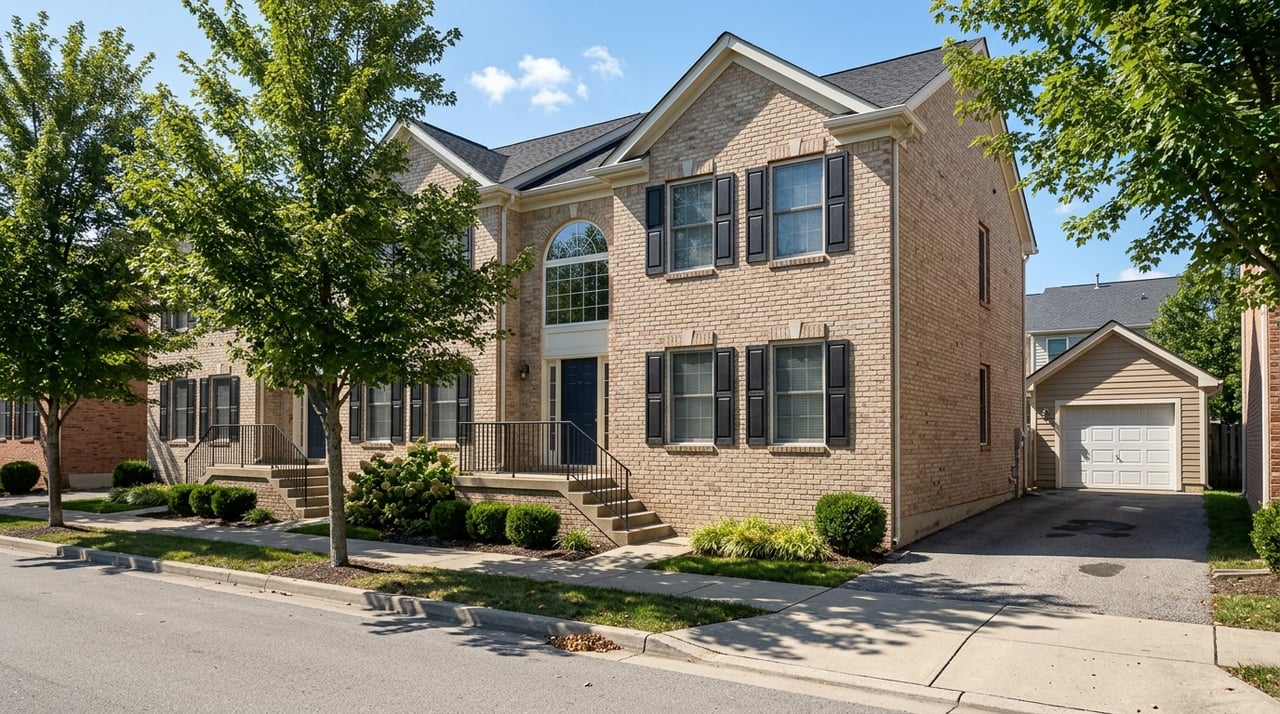
Vienna is still primarily known as a single-family home market. At the same time, town planning documents show that the housing mix near the center has become more layered over time.
The town’s 2026 comprehensive plan notes that Vienna’s single-family character is evolving to include more townhomes, duplexes, and other attached or multi-unit residential options. Older land-use planning materials also note some multifamily housing in the center of town along Locust Street SE.
Homes Closest to the Core
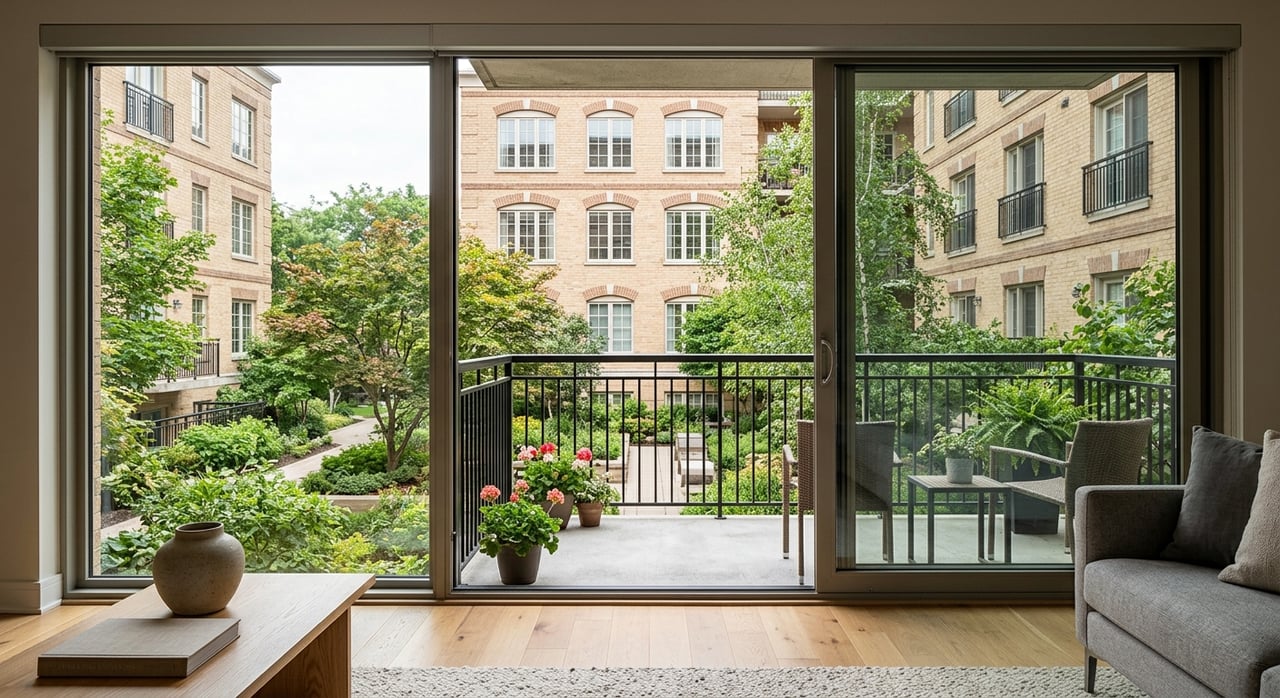
Near Maple Avenue and Church Street, homes can feel more compact and more connected to daily amenities. Planning materials for Church Street also show mixed-use possibilities with residences above commercial space, which helps explain why some housing near the core feels more urban in form.
If your goal is to walk to shops, events, or the trail more often, this part of Vienna may be worth a closer look. The tradeoff may be a denser setting or a different housing style than you would find farther out.
Quieter Residential Pockets
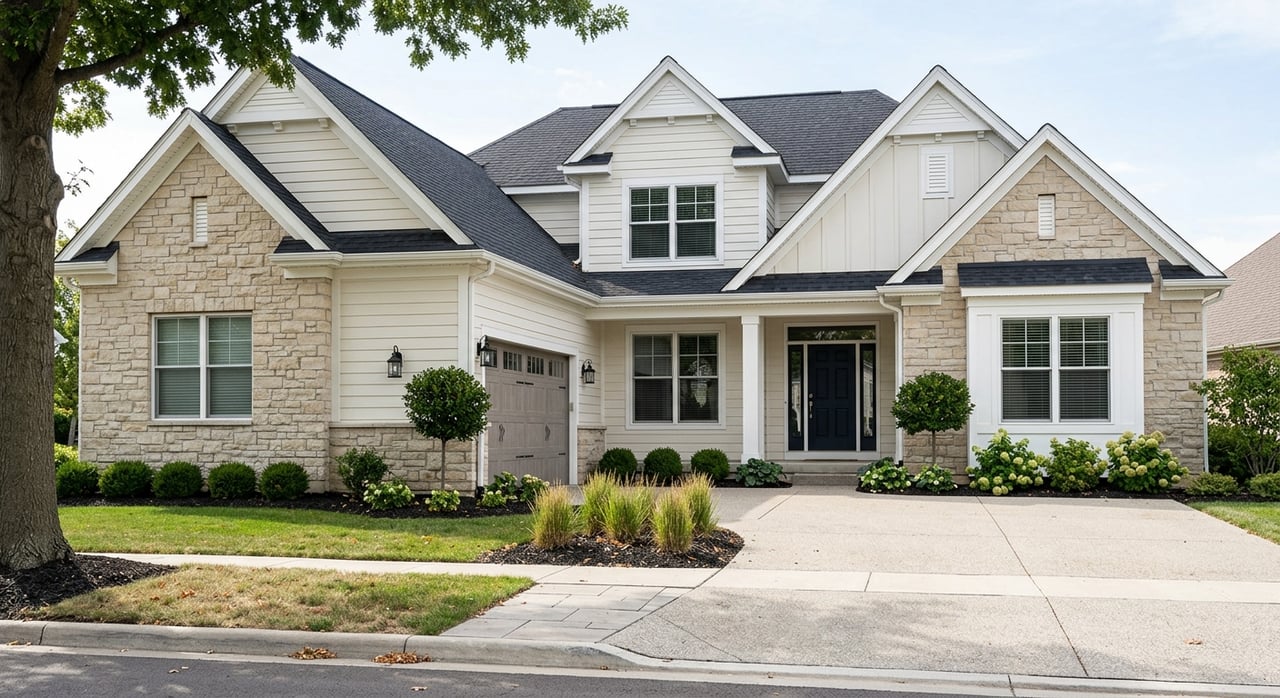
Outside the core, Vienna transitions into quieter residential areas with tree-lined streets. Windover Heights, for example, is described by the town as a single-family residential neighborhood with older homes and mature trees.
That contrast is part of what makes Vienna appealing to a wide range of buyers. You can look for a home with stronger access to commercial and civic destinations, or choose a more residential setting while still staying close to the town center.
How to Think About Walkability as a Buyer
Walkability means different things to different households. For one buyer, it means being able to reach coffee shops and restaurants on foot. For another, it means easy access to a trail, a park, a library, or transit.
When you tour Vienna, it helps to define your priorities clearly. A home may have a Vienna address, but your day-to-day experience can vary depending on how close you are to Maple Avenue, Church Street, the Town Green, trail access, or transit connections.
Here are a few useful questions to ask as you compare homes:
- Can you comfortably walk to the places you would actually use each week?
- Do you want more access to restaurants and events, or more access to parks and trails?
- Would you benefit from being near bus service or the Vienna/Fairfax-GMU Metro station?
- Are you looking for a detached home, or are you open to townhomes, condos, or a more compact setting near the center?
Why Vienna Stands Out
Vienna does not read like a dense urban grid, and that is part of its appeal. What makes it stand out is the combination of a compact town footprint, a substantial sidewalk network, a defined commercial core, strong trail access, and practical transit options.
In other words, Vienna offers a version of walkability that feels grounded in everyday life. You can enjoy restaurants, public events, green space, and day-to-day convenience while still living in a town with distinct residential pockets and a strong sense of local structure.
If you are weighing where to focus your home search in Northern Virginia, Vienna is worth a closer look. The right fit often comes down to matching your routine with the part of town that supports it best.
Whether you want to find a home near trails, compare options near the town center, or better understand how Vienna fits into your Northern Virginia search, Rachel Knapp can help you navigate the details with clear, thoughtful guidance.
FAQs
What makes Vienna, Virginia walkable for homebuyers?
- Vienna’s walkability comes from its compact 4.4-square-mile size, 73 miles of sidewalks, town center destinations along Maple Avenue and Church Street, access to the W&OD Trail, and transit connections including the Vienna/Fairfax-GMU Metro station.
Where is the most walkable part of Vienna, Virginia?
- The most walkable part of Vienna is generally the town core around Maple Avenue, Church Street, the Town Green, and nearby access points to the W&OD Trail and local transit.
Does Vienna, Virginia have parks and trails near town amenities?
- Yes. The W&OD Trail runs through Vienna and connects directly with the town center, while places like Northside Park, Wildwood Park, and the Vienna Community Center add more outdoor and recreation options nearby.
What types of homes can you find near walkable areas in Vienna, Virginia?
- Vienna is primarily a single-family home market, but near the center you may also find townhomes, duplexes, and other attached or multi-unit housing options, including areas near Locust Street SE and the Maple Avenue and Church Street corridors.
Can you use transit easily from Vienna, Virginia?
- Vienna offers access to the Vienna/Fairfax-GMU Metro station on the Orange Line, and Fairfax Connector routes including 463 and 467 serve key destinations such as Downtown Vienna, the Vienna Shopping Center, the Vienna Community Center, and Patrick Henry Library.